Manners of Being
“To picture is not to remember. No doubt a recollection, as it becomes actual, tends to live in an image ; but the converse is not true, and the image, pure and simple, will not be referred to the past unless, indeed, it was in the past that I sought it, thus following the continuous progress which brought it from darkness into light.“
-Henri Bergson
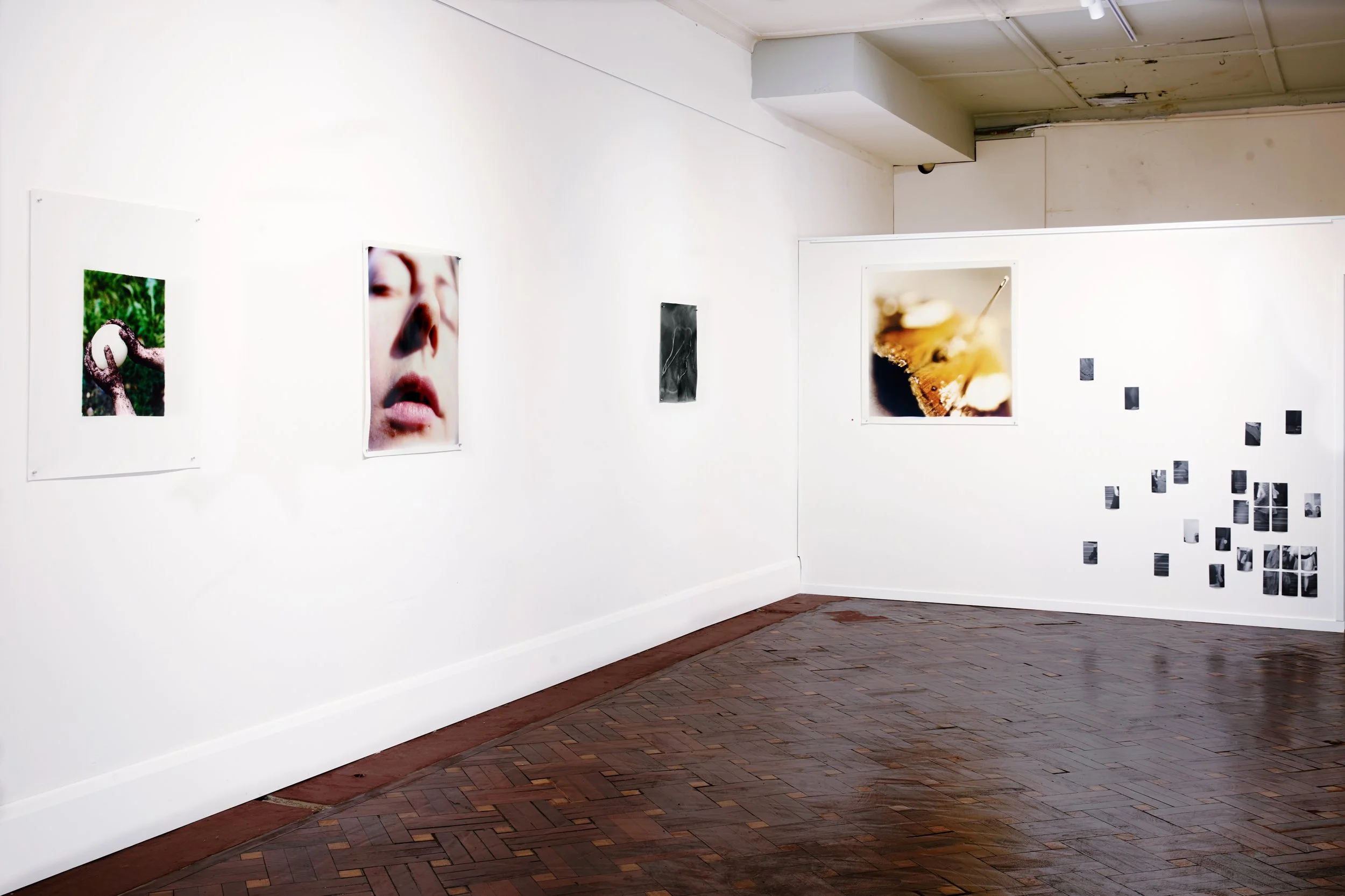
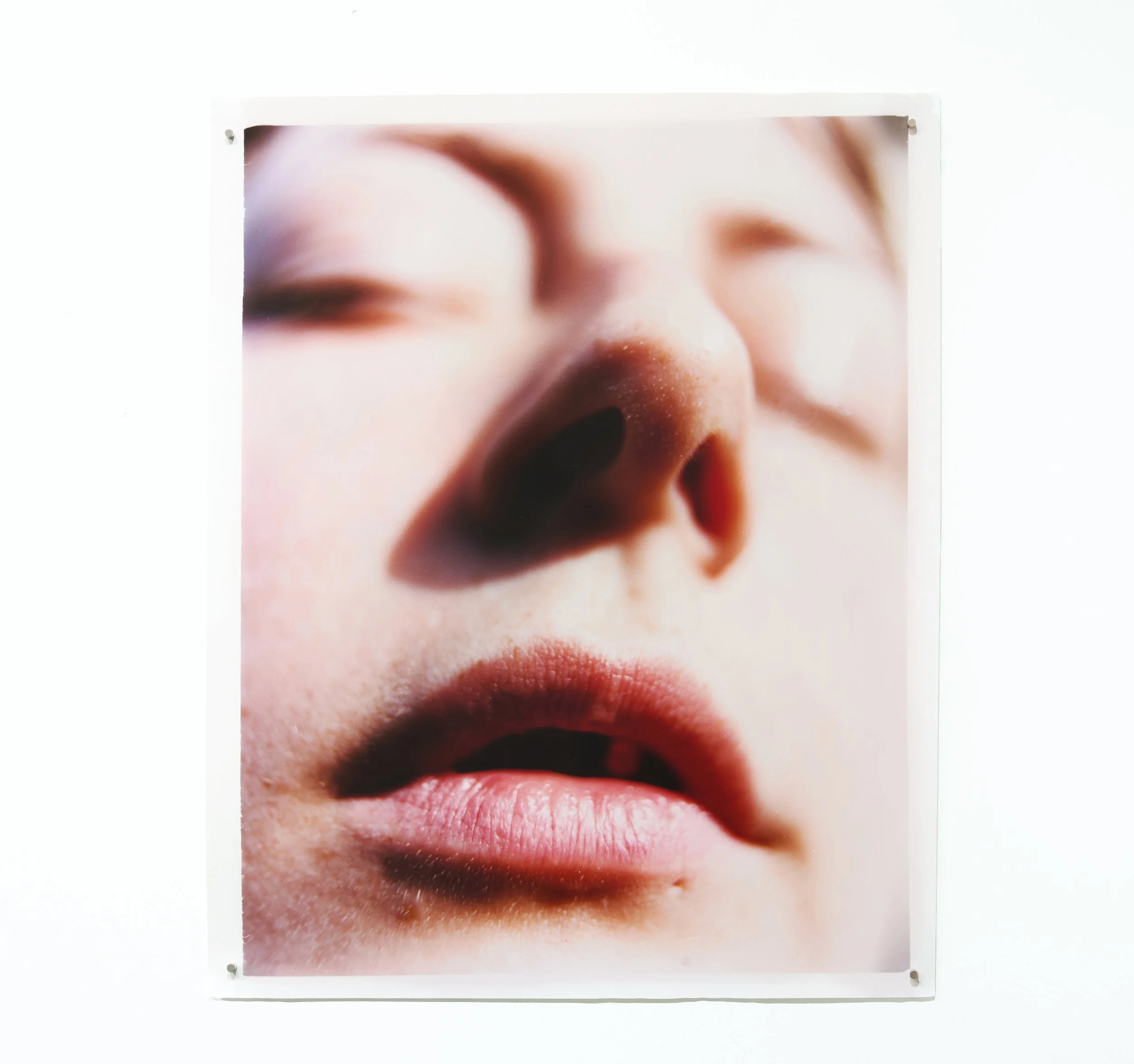
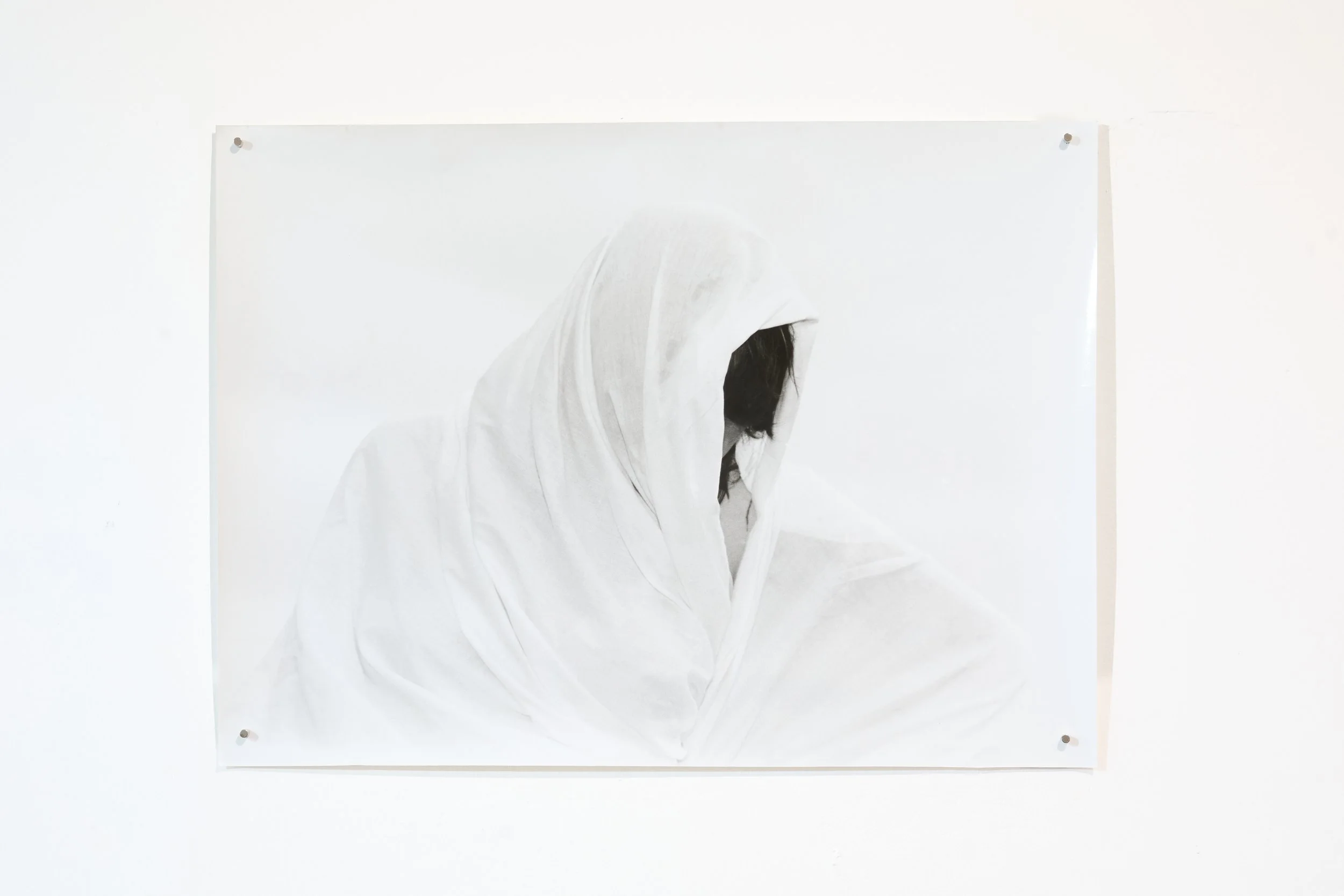
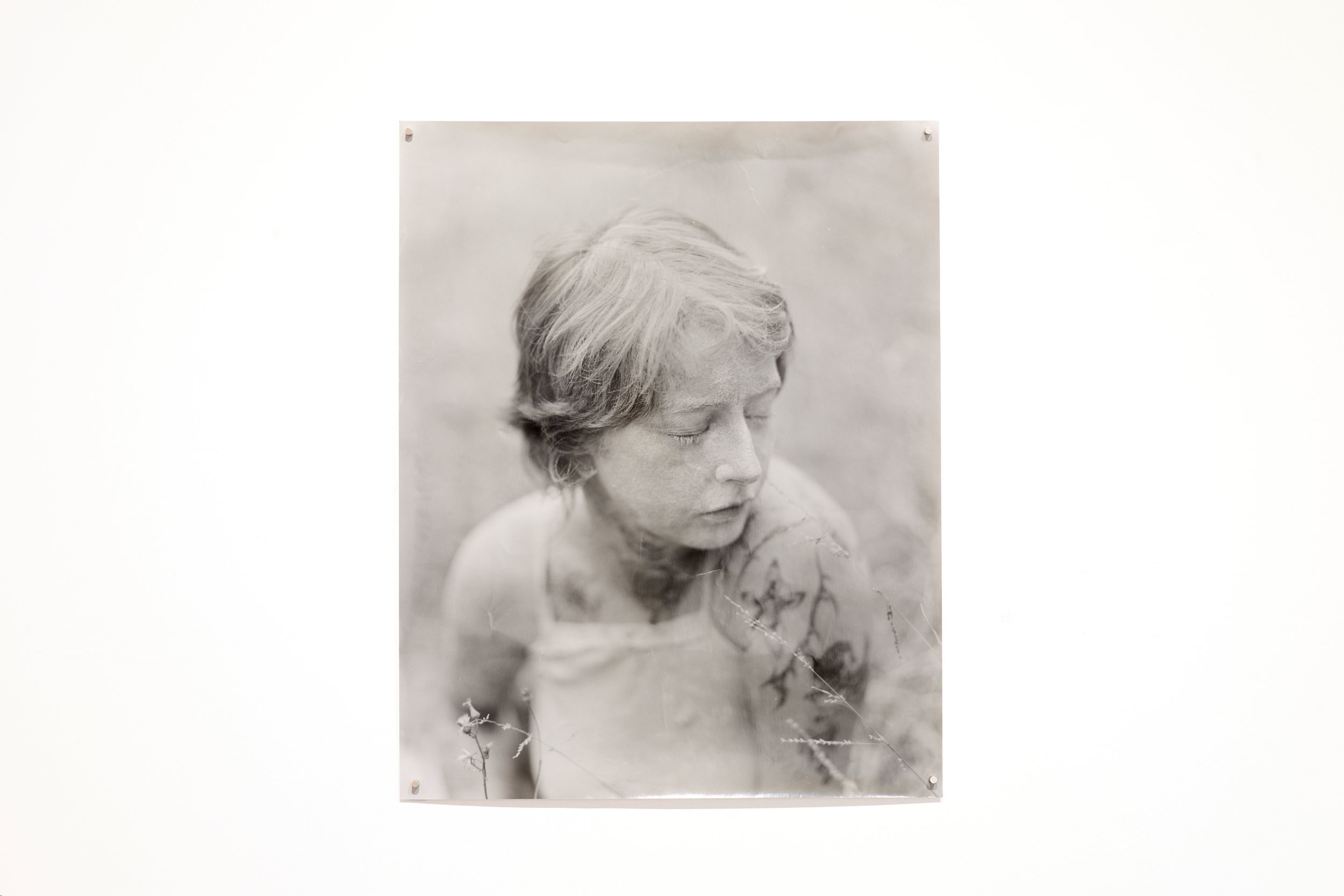
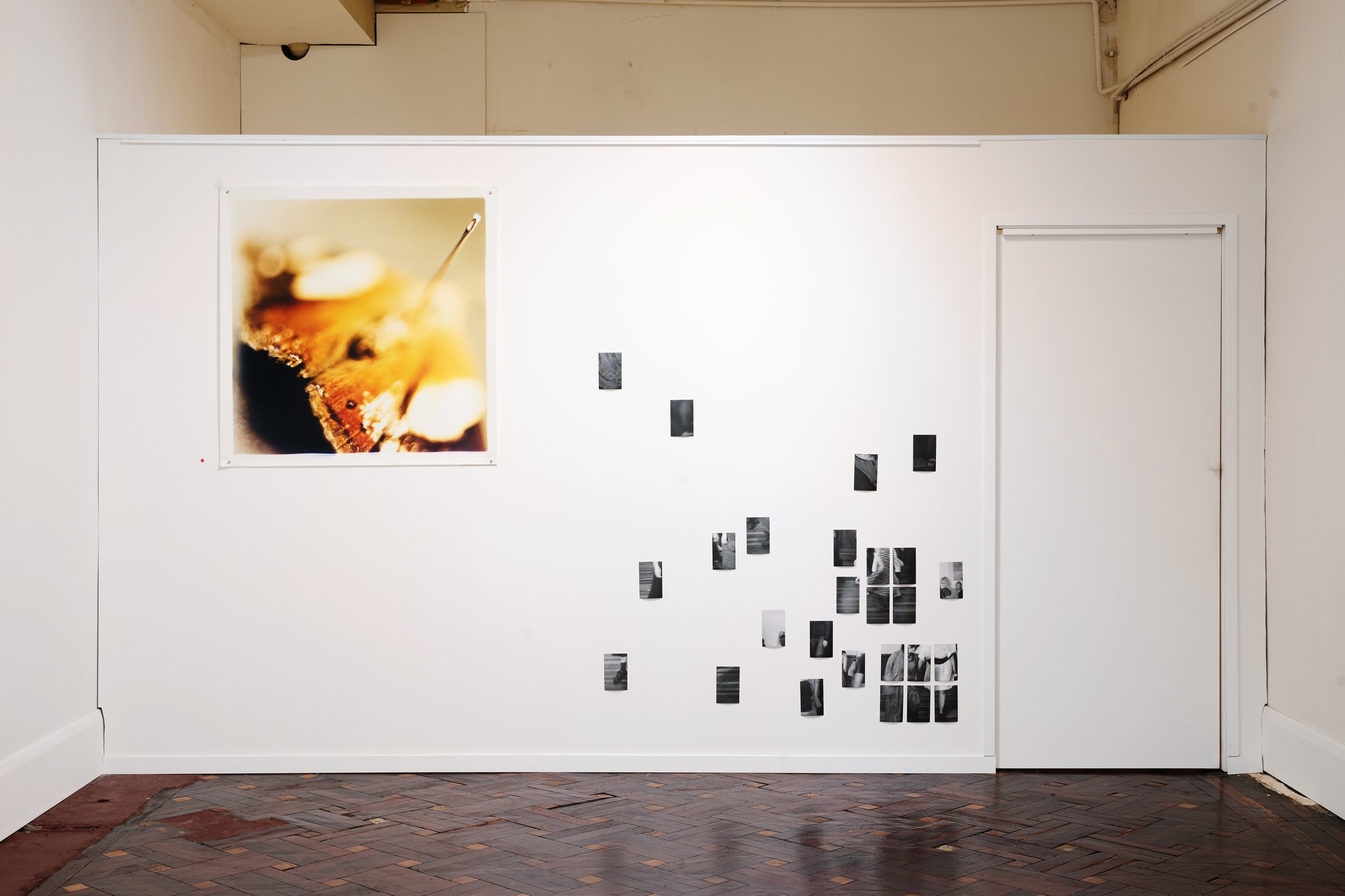
Manners of Being, emerging from an internal dialogue about how individual perceptions of memory are shaped and altered, resists the boundaries traditionally imposed upon viewer and artist alike. The static image both alludes to, and resists mortality, existing as a convergence of the actual and the virtual past - a persistent viewpoint that retains an indexical relationship to reality, while reaching toward a shared understanding of individual experience.
Recognising the reciprocal influences relative to one's own psyche, conscious exploration may be altered by counteracting unconsciousness. We have long been the altercators of our collective experience as each memory may be formed by circumstance, perspective, and what we view as the past can never be. What begins as an investigation into the relationship between the lens and formed memory may swiftly transform into one of the self as a continuous process of duration (durée).
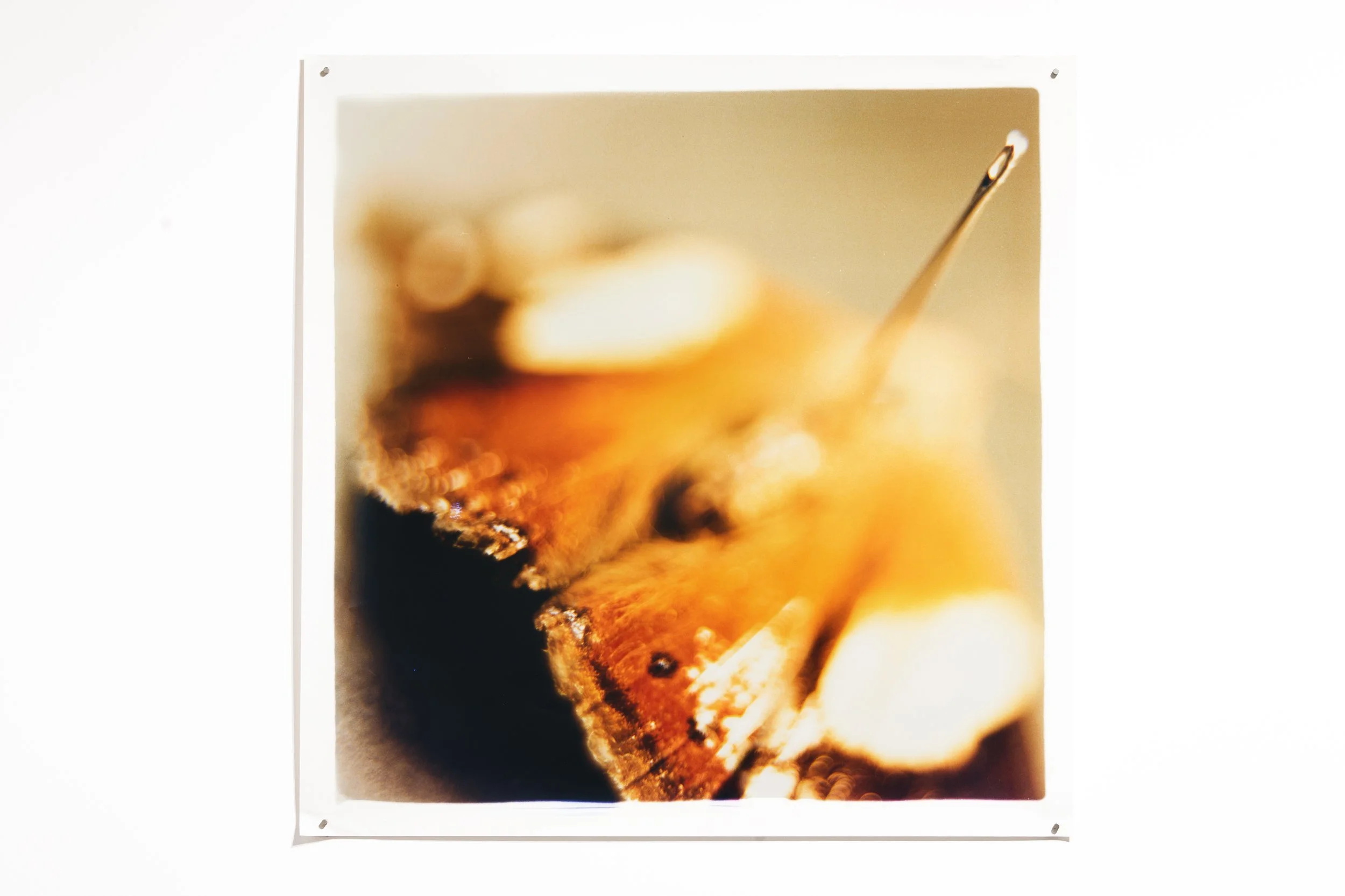
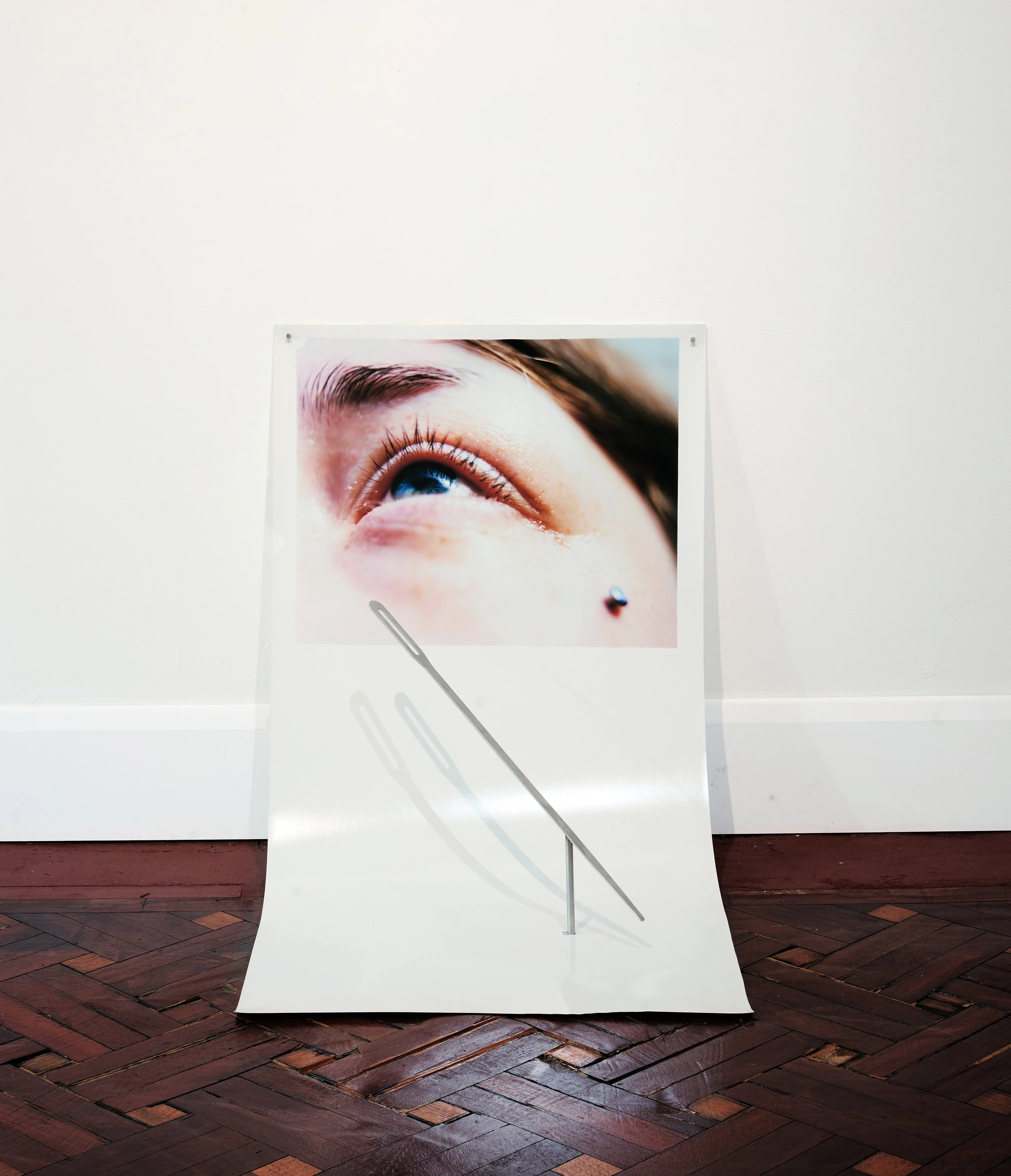
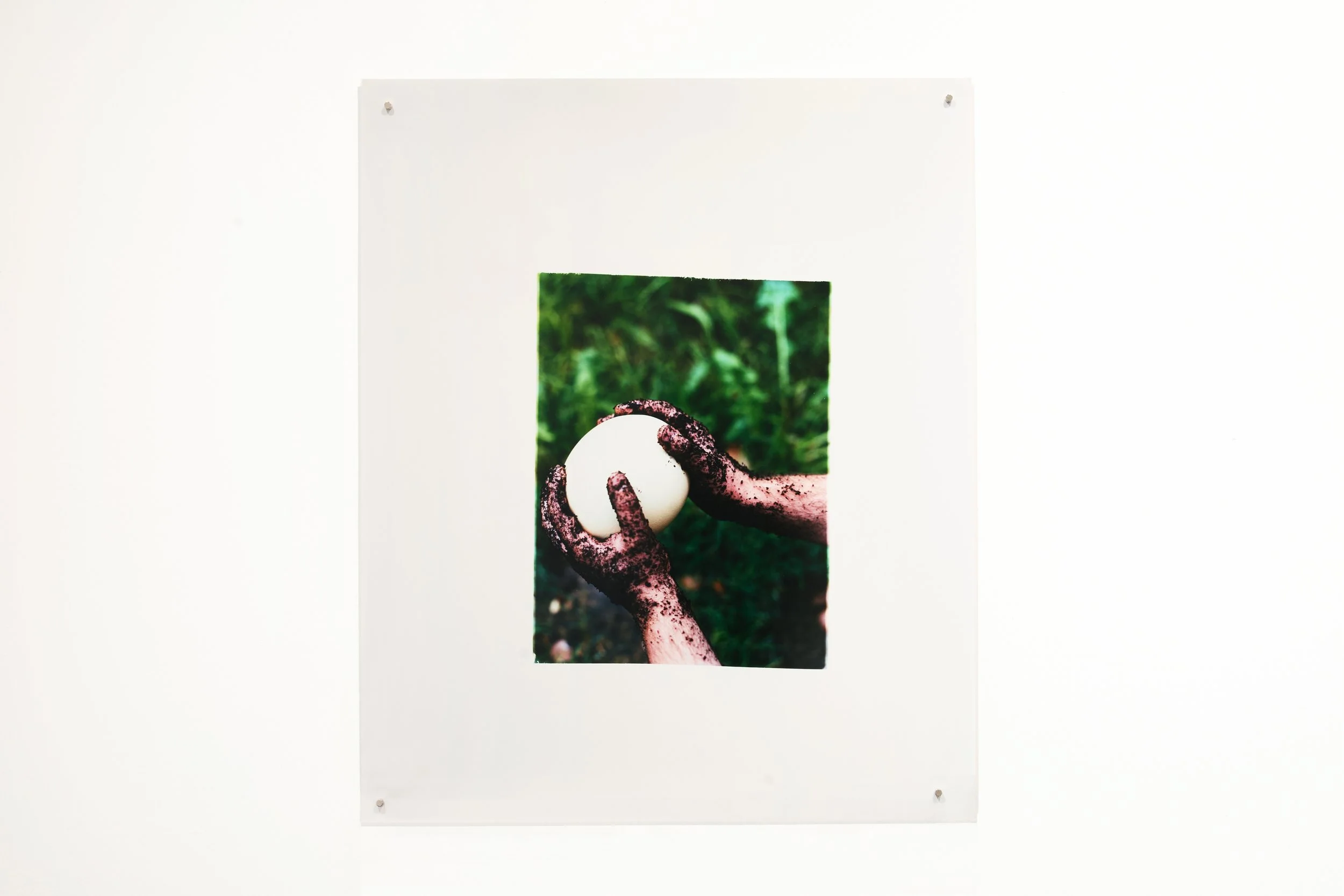
The constant obsession with image, in all manners of the word, can be recognised as collective experience. Born into the world we obtain what can be described as a mirror and a needle. We keep our mirrors handy, reflections we see there attribute to how we receive the world and what we perceive to be ourselves. Our needle acts as a heresy fork, ensuring we do not crane too far outside of systematic boundaries. The further I delve into my practice, the more the lines between perception and reality blur. Thoughts encased in the egg-sac of being are barely visible beneath the light, and even then we are unsure of what we are truly looking at. That barely legible globulous form is all we have to understand how we continue to be.
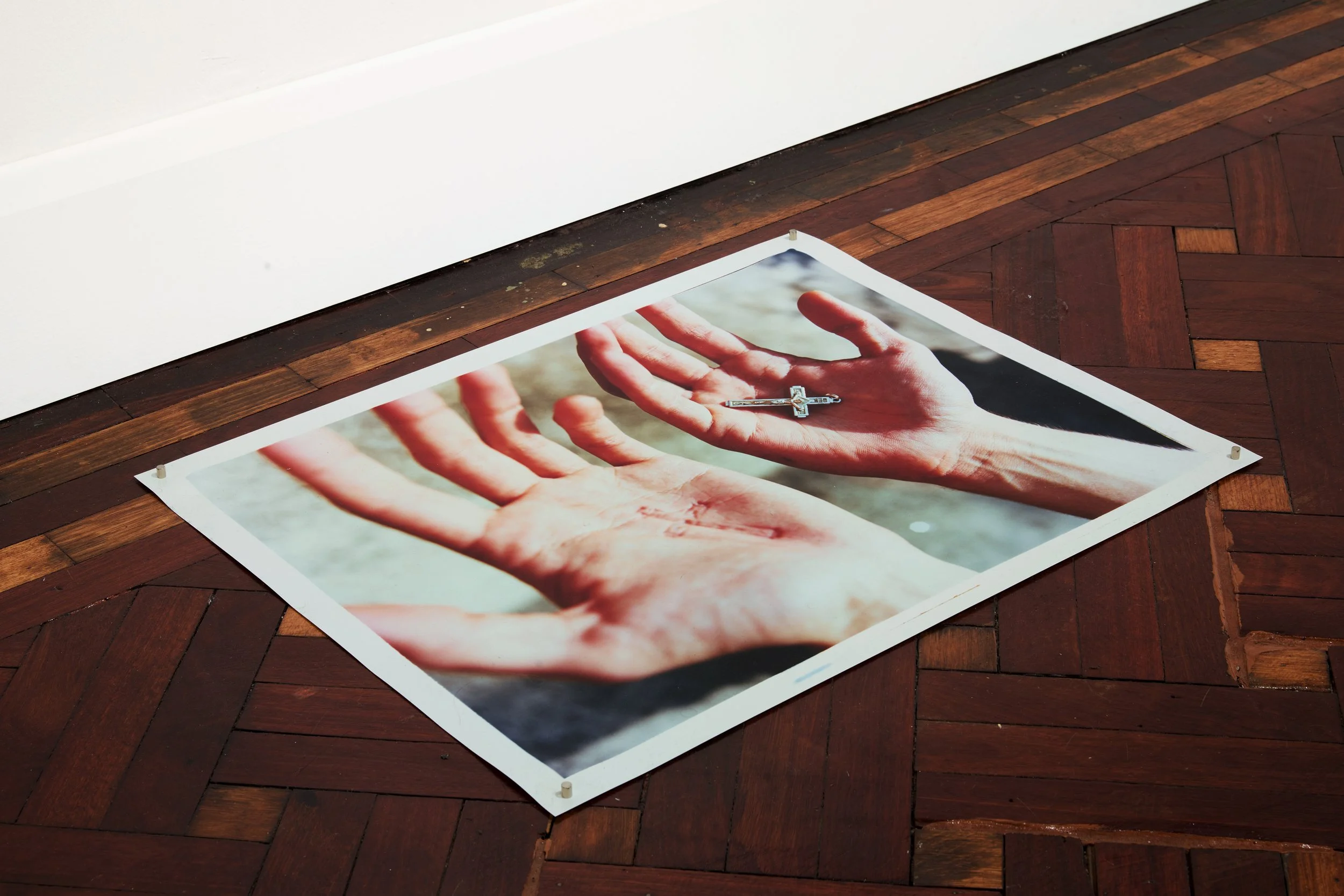
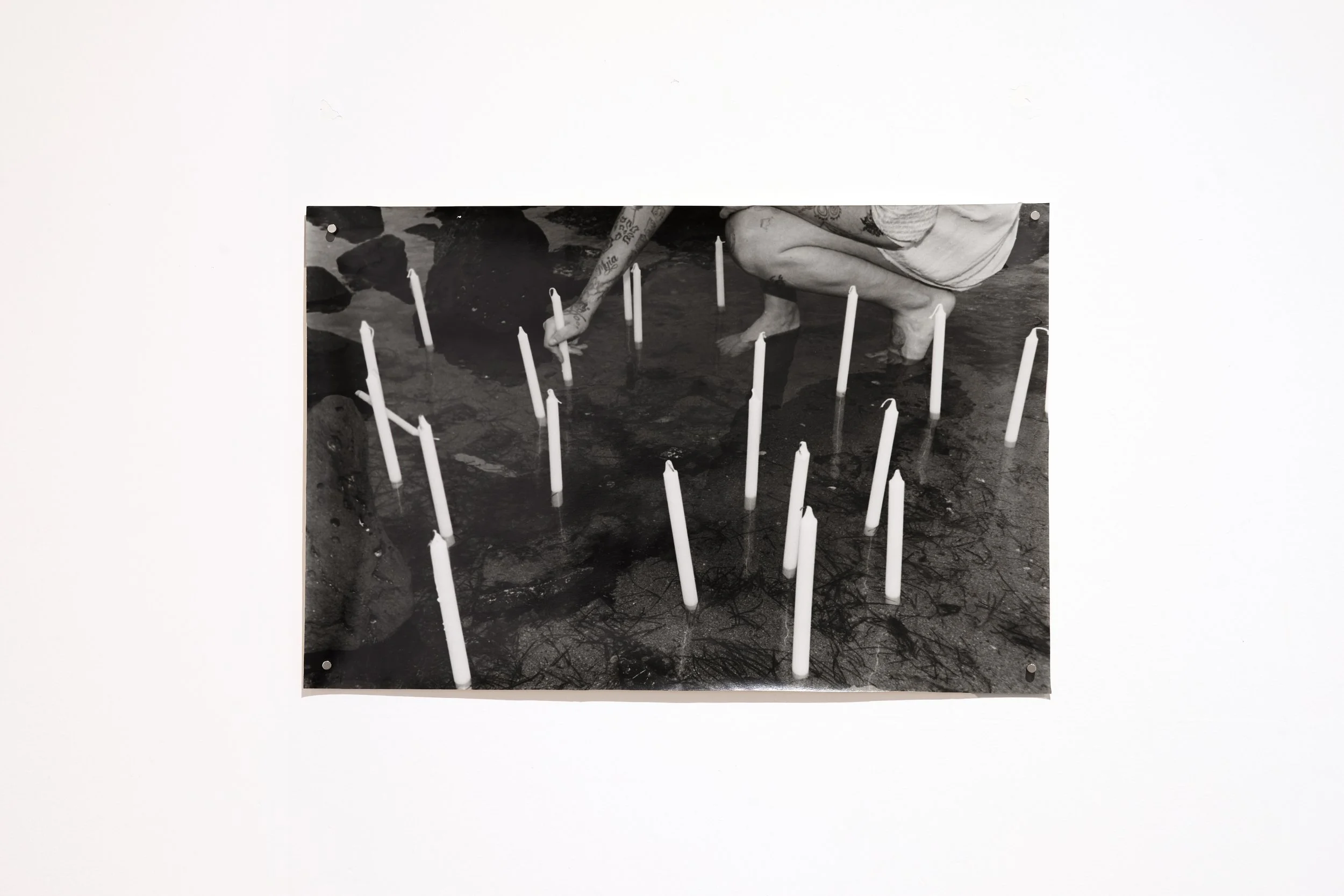
Creases and dust become part of the image I wish for you to see; it is made with the body, as all art is. It must be touched and formed, and through the mind and the body, it must grapple with the innermost inhibitions we have from birth. Memory, a distortion as it may well be, is evident in these creases of human intervention, flowing from the mind through the body and into that of another. Mind through body through body through mind. My memory is your memory.